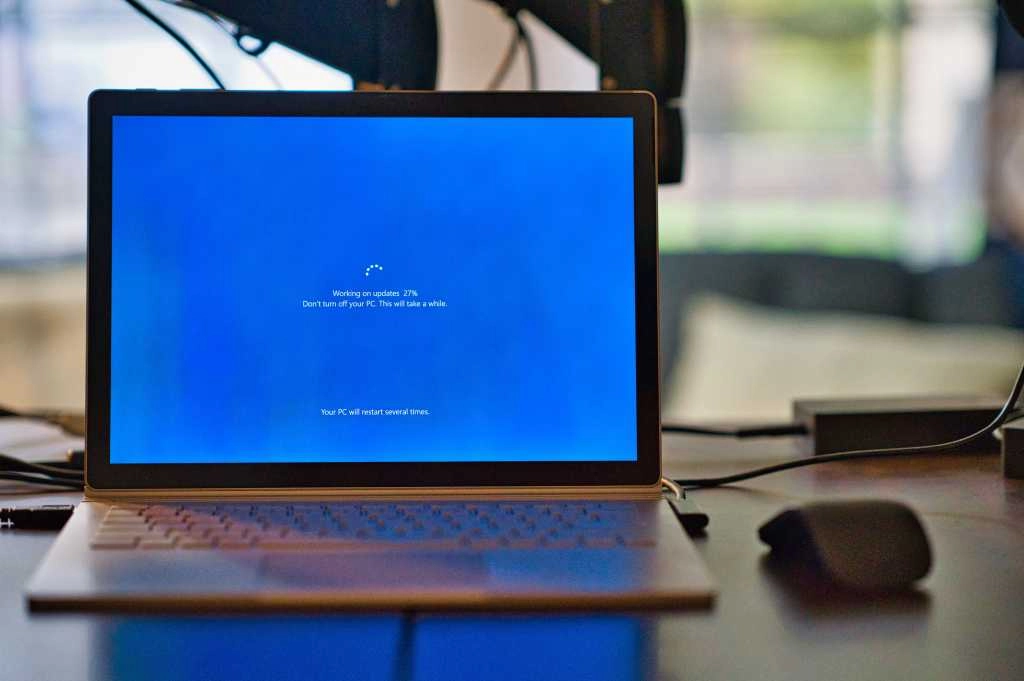
April marked a significant Patch Tuesday for Microsoft, with the release encompassing a staggering 165 updates. This collection addresses roughly 340 unique CVEs across various product families, including Windows, Office, Microsoft Edge, SQL Server, and developer tools. Notably, the update features two zero-day vulnerabilities, one of which is actively being exploited.
The Readiness team is urging organizations to initiate “Patch Now” schedules for critical products, including Windows and Office, due to the urgency of the fixes required. This month also sees the implementation of the second phase of Microsoft’s Kerberos RC4 hardening policy, with complete enforcement set for July.
Major Known Issues and Updates
One specific issue pertains to Windows 11, where a narrow group of enterprise users may encounter a BitLocker recovery prompt on the first restart following the update, particularly if certain Group Policy configurations are in place. Microsoft advises modifying this policy before installation.
Additionally, the April update resolves several longstanding issues, including defects that impacted device resets and improvements to the Secure Boot certificate rollout, among others.
Recommendations for IT Administrators
Microsoft emphasizes the need to prioritize patches linked to Kerberos authentication and the Remote Desktop client. Due to the critical nature of vulnerabilities in these areas, testing should focus on stability and compliance with cloud sync scenarios, particularly in environments utilizing RDP extensively.
Furthermore, the updates affect various components, including secure boot functions, virtualization scenarios through Hyper-V, and enhancements to networking and VPN functionalities. Ensuring proper configurations are maintained during these updates is essential to avoid operational disruptions.
Organizations should take prompt action with the released patches, especially those rated as high-risk, as many vulnerabilities can lead to significant security threats if not addressed quickly.
Conclusion
This massive patch cycle reinforces the importance of regularly updating software to safeguard against potential exploits and vulnerabilities. As Microsoft continues to push updates, IT leaders are reminded of the critical nature of proactive patch management to ensure the security and stability of their environments. For detailed release notes and CVE information, administrators are encouraged to review Microsoft’s official guidance.