-

BlueHammer”: New Zero-Day Vulnerability in Windows Allows for Elevated Privileges
A zero-day vulnerability known as "BlueHammer" has been discovered in Windows, allowing attackers to escalate their privileges within the system. The vulnerability was first reported by an anonymous individual, who published it on a dedicated blog and shared a GitHub repository containing the exploit’s source code. Confirmed by renowned IT security researcher Will Dormann, the…
-

Navigating Secure Boot Certificate Update Status in the Windows Security App: A Comprehensive Guide
Time is limited as Microsoft’s initial Secure Boot certificates are set to expire in June 2026. The company is gradually rolling out updates to the Windows Security app, which will allow users to check the update status of these certificates. This news comes after Microsoft announced the update via the Message Center within the Windows…
-

Exploring the Future: Sovereign Cloud, Azure Local, and Azure Linux
It seems that the content you wanted to provide is missing. Please share the Markdown content you’d like me to rewrite, and I’ll be happy to help!
-

Microsoft Issues March Security Update Addressing High-Risk Vulnerabilities Across Multiple Products
On March 11, 2026, Microsoft released a comprehensive security update addressing 83 vulnerabilities across important products, including Windows, Microsoft Office, and Azure. Among these vulnerabilities, eight were deemed critical, while the remaining were classified as important. Key Vulnerabilities: Microsoft Office Remote Code Execution Vulnerability (CVE-2026-26110): This vulnerability allows an unauthenticated attacker to execute arbitrary code…
-

A Step-by-Step Guide to Mounting NFS Shares in Windows with the Built-in Client
Modern versions of Windows come equipped with a built-in NFS (Network File System) client that allows users to mount NFS directories directly from Linux hosts or NAS devices. This functionality enables seamless access to files and folders on NFS volumes through Windows File Explorer, much like accessing SMB (Server Message Block) mapped drives. Below, we…
-

Windows 11 Update Disables Hidden Trick for Speeding Up NVMe Drivers
A recent update to Windows 11 has disabled a widely used registry tweak that significantly enhanced the performance of NVMe SSDs, reportedly improving their input/output operations per second (IOPS) by as much as 80%. This tweak utilized a native NVMe driver that was originally designed for Windows Server 2025. While the enhanced performance was a…
-

Unveiling the Latest Version of Windows Home Server: What to Expect from ‘Vail’
The latest preview of Windows Home Server, known as "Vail", has been released for download according to a post on Microsoft’s Windows Team Blog. This refreshed edition comes packed with various updates and enhancements focused on improving features like remote access, storage management, and video streaming. Significant changes have been made to remote access functionality,…
-

The Latest Windows Home Server Version Unveiled: A Closer Look at “Vail
The latest preview of Windows Home Server, codenamed "Vail," is now available for download, as announced on Microsoft’s Windows Team Blog. This refreshed preview introduces numerous updates and enhancements across various features, such as remote access, Homegroups, video streaming, and storage management. Notably, the remote access networking now supports OpenDNS and multi-NIC configurations for wireless…
-

SolaDrive Enhances Windows VPS Hosting Solutions for Seamless Business Operations
SolaDrive has announced the expansion of its managed Windows VPS hosting services tailored for businesses utilizing Windows-based applications. This service is particularly beneficial for organizations that rely on long-standing Windows environments, which often experience gradual changes in user load and data demands over time without immediate issues arising. As businesses grow, they may face challenges…
-

Preparing for the End of Support for Windows Server 2016: Key Considerations and Next Steps
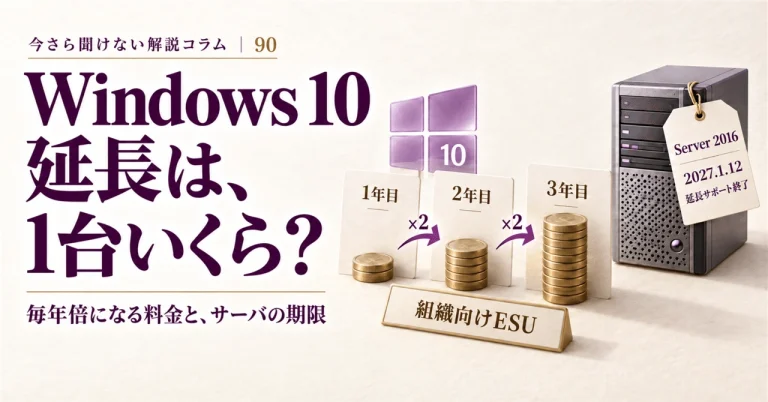
Customers rely on Windows Server to support their essential workloads. In response to user feedback, Microsoft continues to innovate across Azure and on-premises environments. As advancements occur, support for older versions eventually concludes. According to the Microsoft Lifecycle Policy, extended support for Windows Server 2016 will end on January 12, 2027. Many users are already…