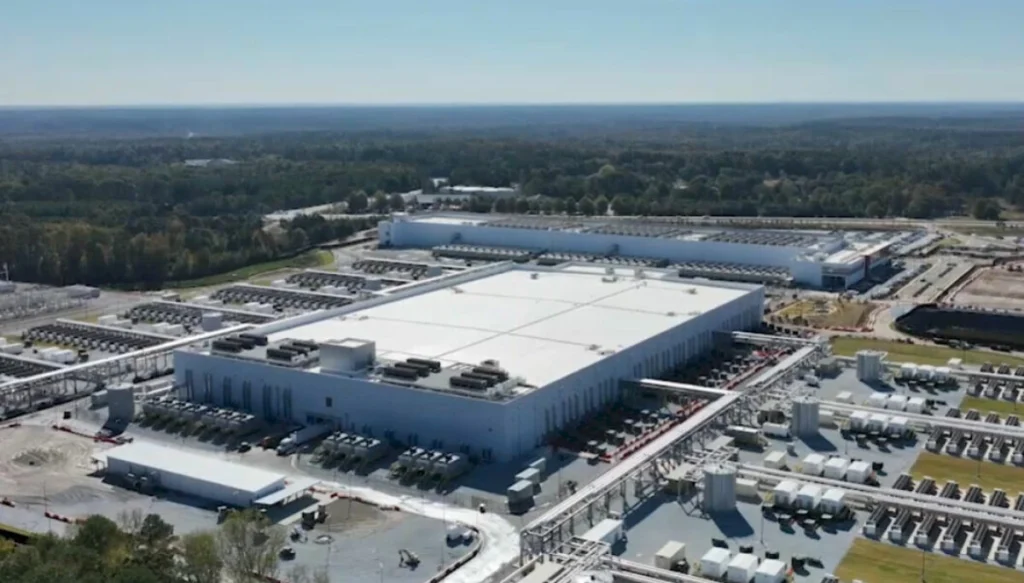
Microsoft is making a bold commitment to double its AI infrastructure within the next two years, a move that highlights the company’s focus on enhancing its capabilities in the AI market. Historically, Microsoft built its systems software platform, including the popular Windows Server, prior to establishing a competitive cloud offering, which now rivals Amazon Web Services.
Despite facing initial challenges, Microsoft capitalized on its existing customer base and engineering resources to create a competitive cloud infrastructure. The surge in interest and demand for AI, especially following the widespread excitement around OpenAI’s advancements, significantly influenced Microsoft’s strategy. The partnership with OpenAI began in 2020 when Microsoft secured an exclusive license to its models, a deal that has shaped its AI landscape.
Recently, this exclusive relationship has evolved, allowing Microsoft to diversify its offerings on Azure beyond just OpenAI’s models. OpenAI is expanding its infrastructure and partnerships with various hardware providers. This has freed Microsoft to explore additional AI models and functionalities on its platform, ensuring Azure remains an attractive option for businesses hesitant to invest heavily in advanced hardware.
In an earnings call, Microsoft CEO Satya Nadella revealed that the Azure cloud infrastructure now spans over 80 regions with more than 500 data centers and extensive fiber networks. The company plans to add significant capacity, indicating a broader ambition to dominate the AI realm. During the March quarter of fiscal 2026, Microsoft reported $82.89 billion in revenue, reflecting strong growth across its Intelligent Cloud segment, including Azure, which likely contributed around $23 billion.
Microsoft’s investments in capital expenditures reached $31.9 billion for the quarter, with ongoing projects that include expanding its AI-centric server architecture. The latest tech, such as the Cobalt ARM CPUs and Maia 200 XPUs, are being deployed to enhance performance across its cloud services.
Financial highlights show that the AI segment of Microsoft’s business boasted an impressive annualized run rate (ARR) of $37 billion, representing a 123% increase year-over-year. This growth trajectory underscores the rising importance of generative AI in Microsoft’s financial ecosystem.
Furthermore, Microsoft has reported a revenue backlog of $627 billion, nearly double from the previous year, which showcases the robust demand for its services. Notably, the backlog linked to OpenAI has also seen fluctuations due to the substantial investments both companies are making to sustain their partnership and infrastructure needs.
In conclusion, as Microsoft plans to further invest in AI infrastructure at unprecedented levels, it positions itself aggressively against competitors like Google and AWS for dominance in the evolving cloud and AI landscape. The coming years will be critical for Microsoft as it navigates challenges and opportunities within this transformative sector.