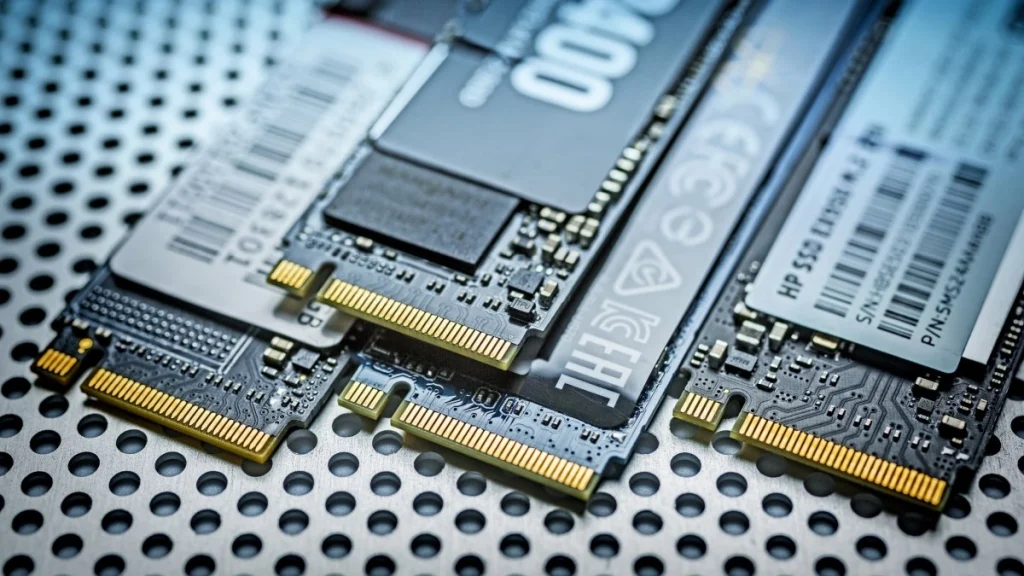
Microsoft is making significant strides to enhance SSD performance in its upcoming Windows Server 2025, with hopes of integrating these improvements into Windows 11. The tech giant is modernizing how its operating systems manage read and write commands for storage devices, specifically targeting high-end SSDs that connect via PCI Express.
Historically, Windows has limited support for the widely utilized Non-Volatile Memory Express (NVMe) protocol, relying instead on the older Small Computer System Interface (SCSI). This approach has been a bottleneck, especially as SSD technology advanced and PCIe connections became predominant.
With Windows Server 2025, Microsoft is implementing native NVMe support, a move that should increase Input/Output Operations Per Second (IOPS) significantly. Early benchmarks suggest an increase from approximately 1.8 million to about 3.3 million IOPS for PCIe 5.0 SSDs. This shift not only boosts performance but also reduces the processor load, making subsequent operations smoother and more efficient. For users with SSDs operating on older PCIe standards, the native NVMe support can still yield efficiency gains, as it minimizes the processing time allocated to command serialization.
To activate NVMe support in Windows Server 2025, users can execute a specific command in the PowerShell registry. After enabling this feature, NVMe SSDs will be listed differently in Device Manager, reflecting the storage disks rather than traditional drives. This modernization signifies Microsoft’s commitment to advancing storage technology in their operating systems.
As NVMe continues to evolve—having first appeared over a decade ago—it remains crucial for both desktop and laptop computing, paving the way for a more robust digital experience moving forward.
For more detailed insights, check Microsoft’s official blog post on this update here.